Technology

Data science is transforming how organizations analyze information and make decisions. From predicting customer behavior to analyzing large datasets, data science plays a crucial role in modern technology.
Python has emerged as the most popular programming language for data science because of its simplicity, powerful libraries, and strong community support.
If you are new to the field, learning Python is one of the best ways to begin your data science journey.
Python is widely used in data science for several reasons:
Easy to Learn: Python’s simple syntax makes it beginner-friendly.
Powerful Libraries: Tools like NumPy, Pandas, and Matplotlib simplify data analysis.
Large Community: Millions of developers contribute tutorials, tools, and support.
Versatility: Python can be used for data analysis, machine learning, and visualization.
Because of these advantages, Python is used by companies across industries for data-driven applications.
When starting with data science, some libraries are particularly important.
NumPy
Used for numerical computing and handling large datasets efficiently.
Pandas
Provides powerful tools for data manipulation and analysis using DataFrames.
Matplotlib
Helps create charts and visualizations for data insights.
Scikit-learn
A widely used library for machine learning algorithms and predictive modeling.
Learning these libraries helps build a strong foundation in data science.
If you are beginning your journey, follow these steps:
Learn basic Python concepts such as variables, loops, and functions.
Practice data analysis using Pandas and NumPy.
Create visualizations using Matplotlib or Seaborn.
Explore machine learning with Scikit-learn.
Work on small real-world data projects.
Consistent practice helps build confidence and practical skills.
Python has become the backbone of modern data science because it combines simplicity with powerful data analysis capabilities.
By learning Python and its essential libraries, beginners can start analyzing data, building predictive models, and solving real-world problems.
With the growing demand for data-driven insights, Python continues to be one of the most valuable skills for aspiring data scientists.
The admin of this Online Inter College.
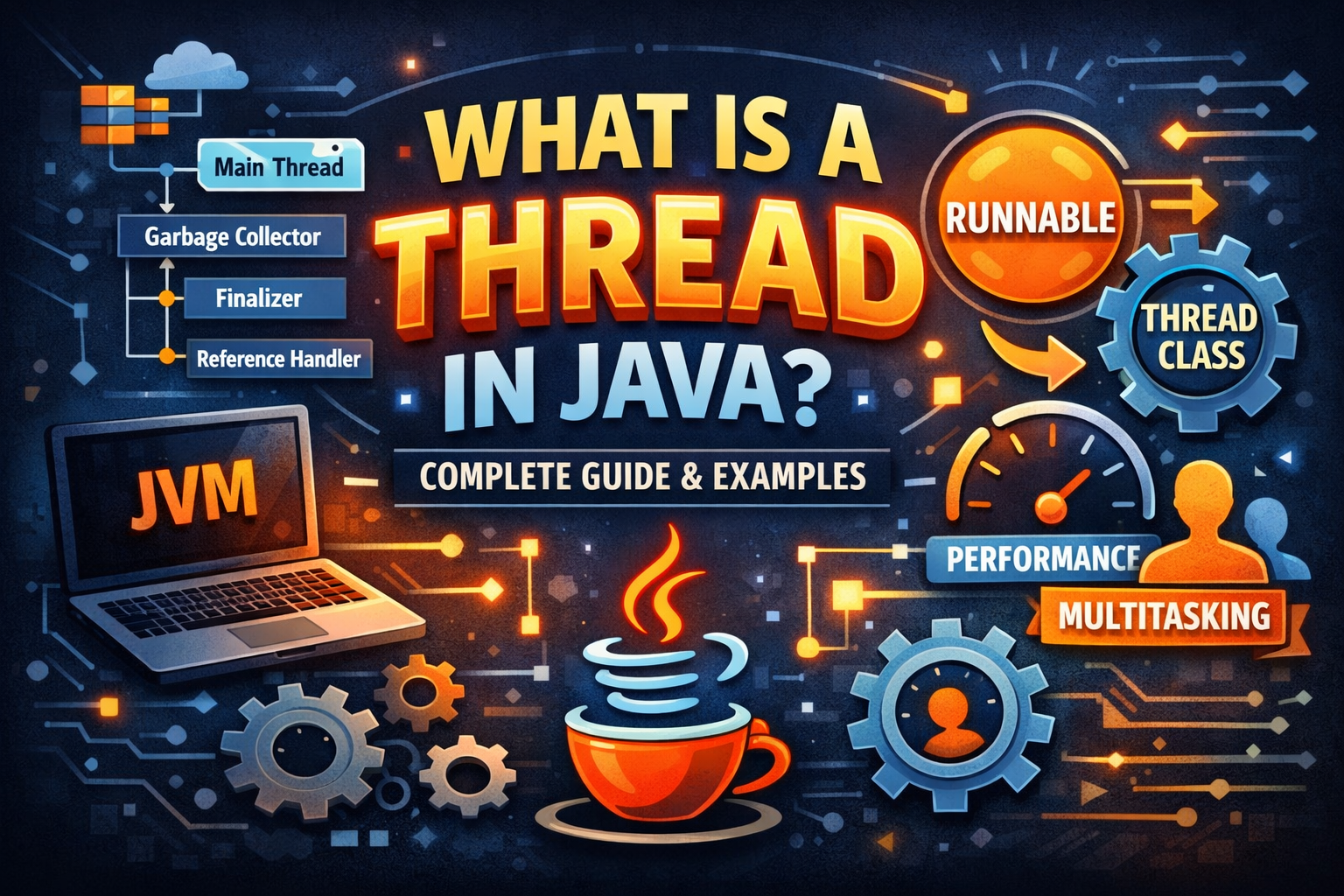
A thread in Java is a lightweight unit of execution that enables concurrent processing within a program. It helps improve performance, responsiveness, and efficient resource utilization. In this guide, we cover thread basics, lifecycle, memory model, and how to create threads using Thread class and Runnable interface with practical examples.
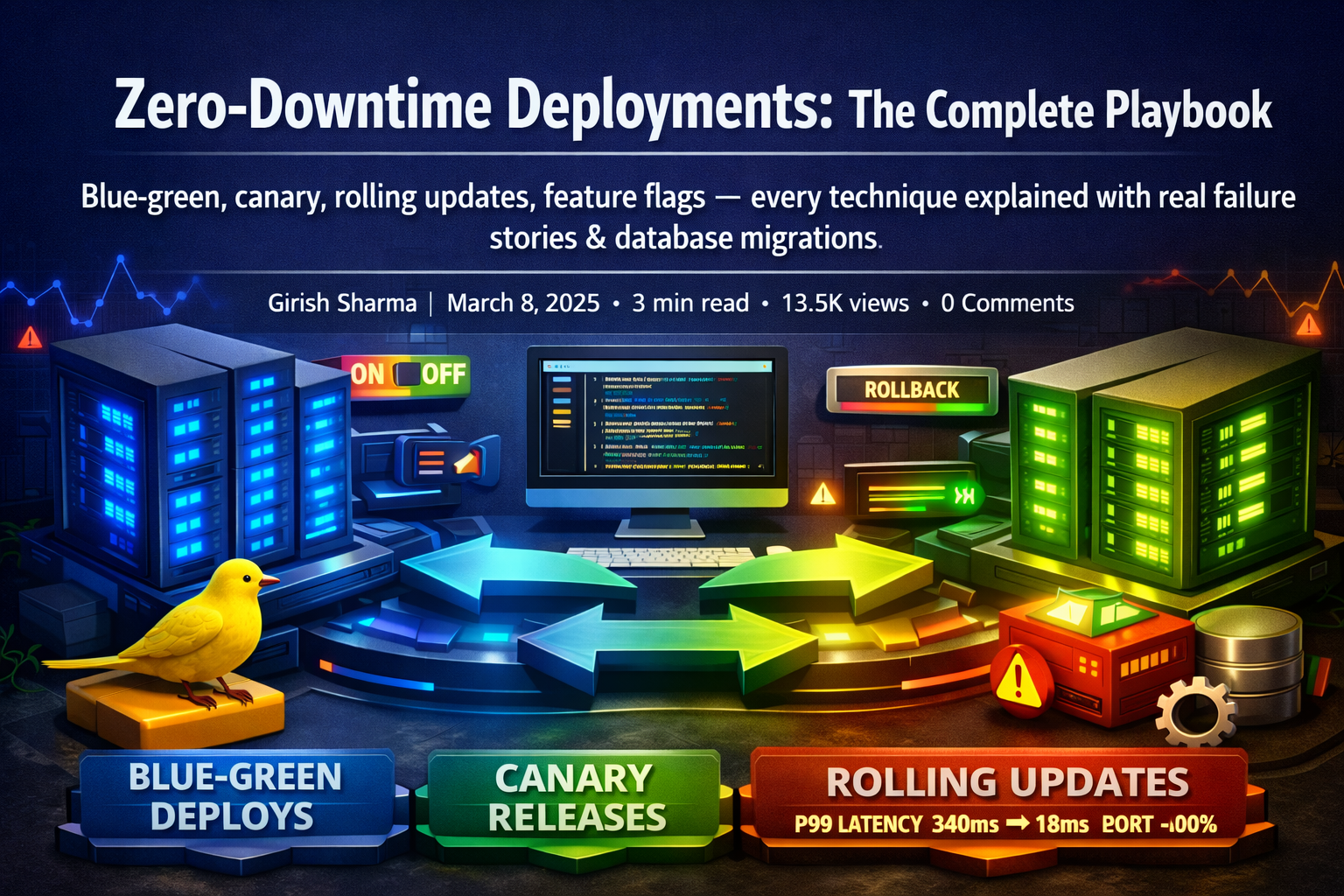
Blue-green, canary, rolling updates, feature flags — every technique explained with real failure stories, rollback strategies, and the database migration patterns that make or break them.

A journey through PostgreSQL internals: the planner, executor, buffer pool, WAL, and MVCC — understanding these makes every query you write more intentional.