Distributed Systems Engineering — Part 2: Consensus Algorithms Demystified

In distributed systems, multiple machines work together to perform tasks and manage shared data. However, these machines may experience network delays, crashes, or inconsistent state updates.
To maintain reliability, distributed systems must ensure that all nodes agree on a single source of truth. This agreement process is called consensus.
Consensus algorithms help distributed systems remain consistent even when failures occur.
What is Consensus in Distributed Systems?
Consensus is the process through which multiple nodes in a distributed system agree on a particular value or system state.
For example, in a distributed database cluster, all nodes must agree on:
Which transaction is committed
The order of operations
The current leader node
Without consensus, systems may produce conflicting data or inconsistent states.
Why Consensus is Challenging
Achieving agreement across multiple machines is difficult due to several factors:
Network latency
Node failures
Message delays
Network partitions
Nodes may receive messages at different times, which makes it hard to determine the correct sequence of events.
Consensus algorithms are designed to handle these challenges.
The Role of Leaders in Consensus
Many consensus algorithms use a leader-based model.
In this approach:
One node is elected as the leader
The leader coordinates updates
Other nodes follow the leader’s decisions
If the leader fails, the system performs a leader election to choose a new leader.
This structure simplifies coordination and reduces conflict between nodes.
Popular Consensus Algorithms
Paxos
Paxos is one of the earliest and most influential consensus algorithms.
It ensures that distributed systems can reach agreement even if some nodes fail. However, Paxos is often considered complex and difficult to implement.
Despite this complexity, many large-scale systems are based on Paxos principles.
Raft
Raft was designed to be easier to understand and implement than Paxos.
Raft divides the consensus process into three main components:
Leader election
Log replication
Safety guarantees
Because of its simplicity and reliability, Raft is widely used in systems such as distributed databases and orchestration platforms.
Where Consensus Algorithms Are Used
Consensus algorithms power many critical systems, including:
Distributed databases
Cloud infrastructure platforms
Configuration management systems
Container orchestration platforms
These algorithms ensure systems remain consistent even during failures.
Challenges and Trade-offs
While consensus algorithms provide reliability, they also introduce trade-offs.
Systems must balance:
Consistency
Availability
Network tolerance
This trade-off is commonly described by the CAP theorem, which states that distributed systems cannot simultaneously guarantee all three properties under network partitions.
Conclusion
Consensus algorithms are a fundamental component of distributed systems. They allow multiple nodes to coordinate actions and maintain consistent system states even when failures occur.
By understanding algorithms like Paxos and Raft, engineers gain insight into how large-scale systems such as distributed databases and cloud platforms maintain reliability.
In the next part of this series, we will explore data consistency models and how distributed systems manage conflicting updates across nodes.
Girish Sharma
Chef Automate & Senior Cloud/DevOps Engineer with 6+ years in IT infrastructure, system administration, automation, and cloud-native architecture. AWS & Azure certified. I help teams ship faster with Kubernetes, CI/CD pipelines, Infrastructure as Code (Chef, Terraform, Ansible), and production-grade monitoring. Founder of Online Inter College.
Related Posts
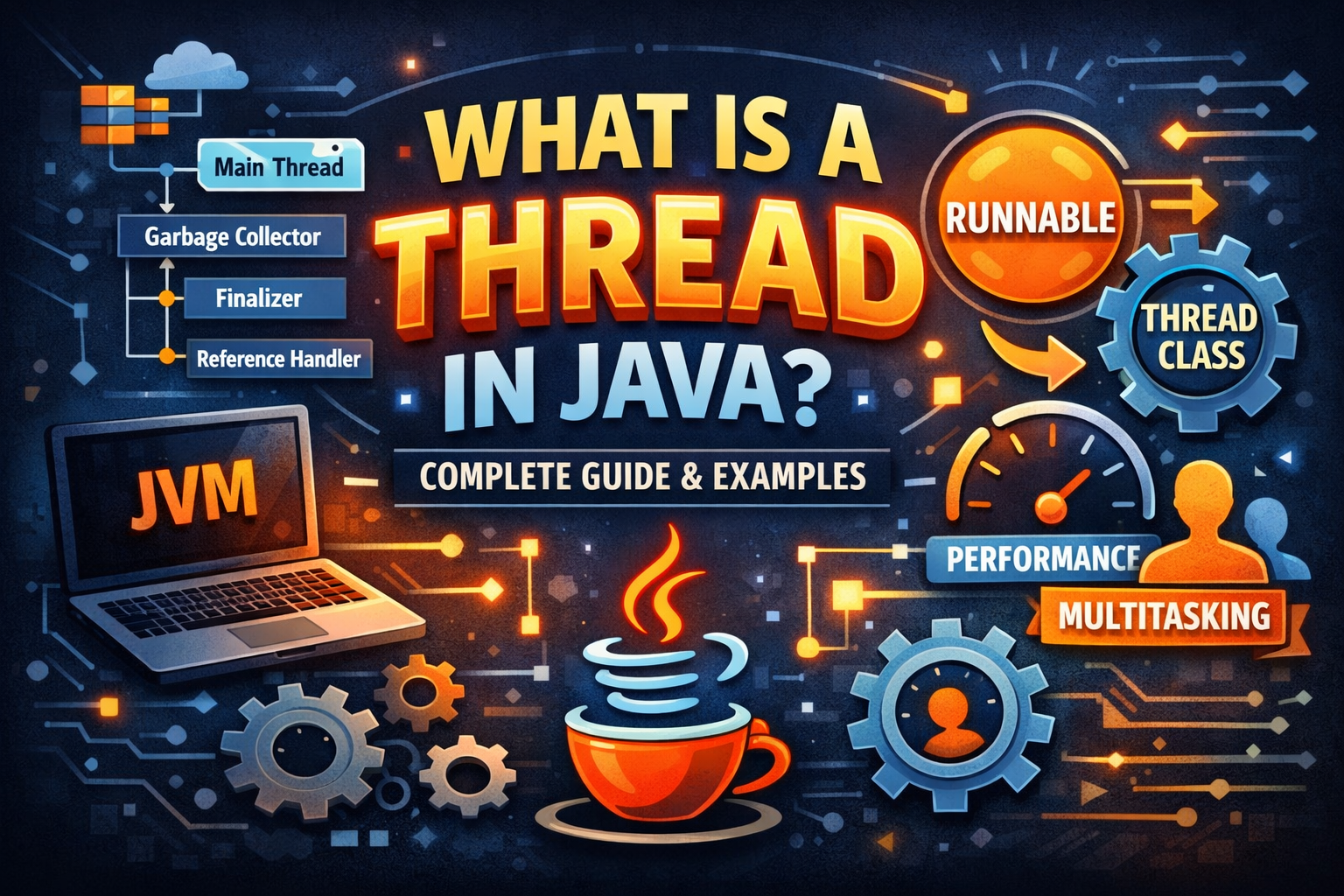
Thread in java
A thread in Java is a lightweight unit of execution that enables concurrent processing within a program. It helps improve performance, responsiveness, and efficient resource utilization. In this guide, we cover thread basics, lifecycle, memory model, and how to create threads using Thread class and Runnable interface with practical examples.